
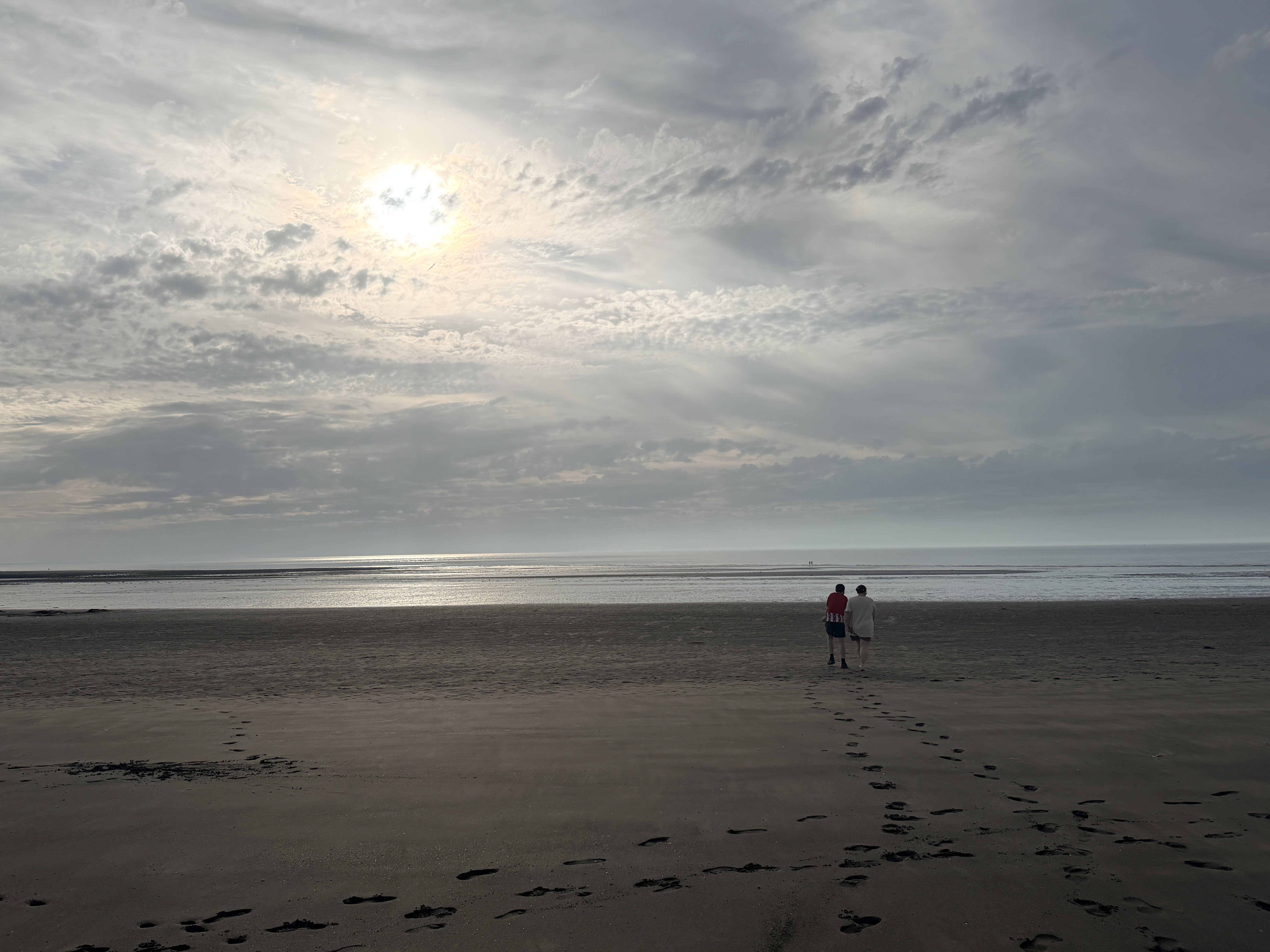

The coast between Maryport and St Bees offers something very different from a classic Lake District walking holiday.
This journey combines Roman history, working towns, harbours, industrial archaeology, coastal grassland and the sandstone cliffs of St Bees Head. A recent national travel feature has highlighted it as a three-day walk. This guide focuses on how to make that journey practical.
At a glance
- Suggested duration: 3 days
- Direct overall distance: roughly 23 miles, with extra mileage for town exploration, accommodation and diversions
- Day 1: Maryport to Workington, around 7 miles
- Day 2: Workington to Whitehaven, around 12 miles
- Day 3: Whitehaven to St Bees, 7 miles / 11.2km on the National Trust clifftop route
- Route authority: King Charles III England Coast Path
- Rail support: Maryport, Workington, Harrington, Whitehaven and St Bees are on the Cumbrian Coast Line
The daily figures are planning estimates and include different access assumptions. The national feature describes the direct trip as around 23 miles but considerably longer once walks around towns and accommodation are included.
Use the current England Coast Path
Government guidance says some North West sections are not fully open and gaps can require public transport or public rights of way. Coastal erosion also changes routes quickly.
Do not use an old Cumbria Coastal Way description as your only navigation source. Check the latest King Charles III England Coast Path map and local signs before each stage.
Day 1: Maryport to Workington
Approximate distance: 7 miles.
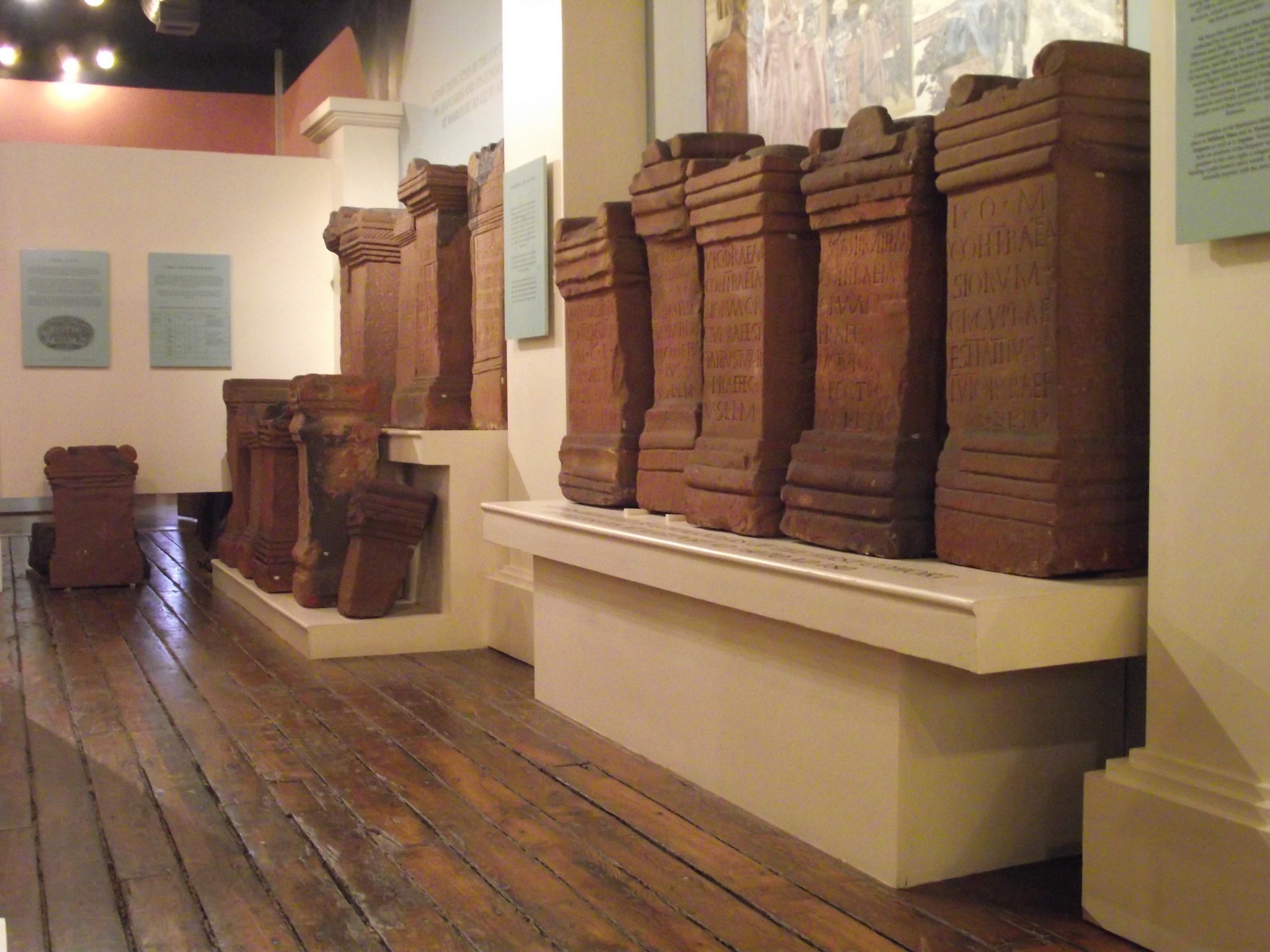
Start by exploring Maryport rather than stepping off the train and immediately walking south. Senhouse Roman Museum explains the Roman fort at Alauna and Maryport's western-frontier history.
The harbour is a natural starting point for the maritime part of the journey. If you arrive by car for a shorter visit, Irish Street Car Park has 116 spaces and toilets nearby, but rail is much simpler for a multi-day linear trip.
Finish in Workington. The station gives you an escape option if weather, injury or timing forces you to shorten the day.
Where to stay
Hunday Manor Hotel has just completed its major bedroom refurbishment. It sits outside the coastal line, so include taxi or access distance in your plan rather than treating the seven miles as door-to-door mileage.
Day 2: Workington to Whitehaven
Approximate distance: 12 miles. This is the longest stage, so start early.
The route moves from Workington's industrial shoreline towards Harrington and then Parton before reaching Whitehaven. Harrington railway station is a valuable bailout point if conditions deteriorate.
If the current Cumbria Guru record exists, Harrington Marina is a useful pause on the route.
Whitehaven
Whitehaven deserves time beyond an overnight stop. Its harbour, Georgian streets, mining remains and maritime history give context to the coast you have just walked.
The Beacon Museum sits by the harbour and is particularly relevant to local industry and community history. The Rum Story explores the town's maritime trading past.
Day 3: Whitehaven to St Bees
National Trust route: 7 miles / 11.2km, around four hours.
The established Whitehaven coastal walk starts around the harbour and The Beacon, passes industrial archaeology including the Candlestick and Haig Pit, and continues towards Saltom, Fleswick Bay, St Bees Lighthouse and St Bees beach.
Difficulty and terrain
The National Trust rates the route challenging. Expect uneven and narrow sections, short steep climbs, cliff edges and mud after rain. Good footwear is important. Dogs are welcome under close control because livestock may be present.
Erosion and diversions
A recent walk of the route encountered an inland diversion on the final leg because coastal erosion had affected the path. Treat signed diversions as part of the route, not as an inconvenience to bypass.
Finish at St Bees
St Bees beach lies beneath the red sandstone cliffs and is also the western end of the Coast to Coast National Trail.
St Bees Foreshore Car Park has 211 spaces for day visitors or someone collecting you. St Bees station is around 0.7 miles from the beach, which makes rail a straightforward finish.
Why the railway matters
Stations at Maryport, Workington, Harrington, Whitehaven and St Bees make this one of Cumbria's most practical linear coastal walks.
- Start without leaving a car for days.
- Shorten a stage if necessary.
- Walk Whitehaven-St Bees as a standalone day.
- Return to an earlier overnight base.
Check engineering work and the live timetable before depending on the final train.
Can you do it in two days?
Strong walkers can combine stages, but rushing removes much of the appeal. The towns, museums, harbours and industrial remains are part of the journey.
What to carry
- reliable walking footwear
- waterproof jacket and spare layer
- food and water for the longer stage
- offline mapping and latest Coast Path information
- phone power bank
- sun protection on exposed days
Our verdict
This is one of the best ways to understand West Cumbria because it does not pretend the coast is untouched wilderness. Roman Maryport, industrial Workington, Harrington, historic Whitehaven and St Bees Head are all parts of the same landscape.
Route information checked 28 August 2026. Coastal access changes, so verify the current King Charles III England Coast Path before setting out.







No approved comments yet.