Fringed by the Irish Sea and Morecambe Bay, Barrow-in-Furness rose from a small coastal hamlet to a Victorian boomtown and one of Britain’s most important shipbuilding centres. Its story blends monastic power, iron and steel, planned docks and railways, and a long tradition of engineering at the edge of the sea.
Before Barrow: Furness Abbey & the Medieval Coast
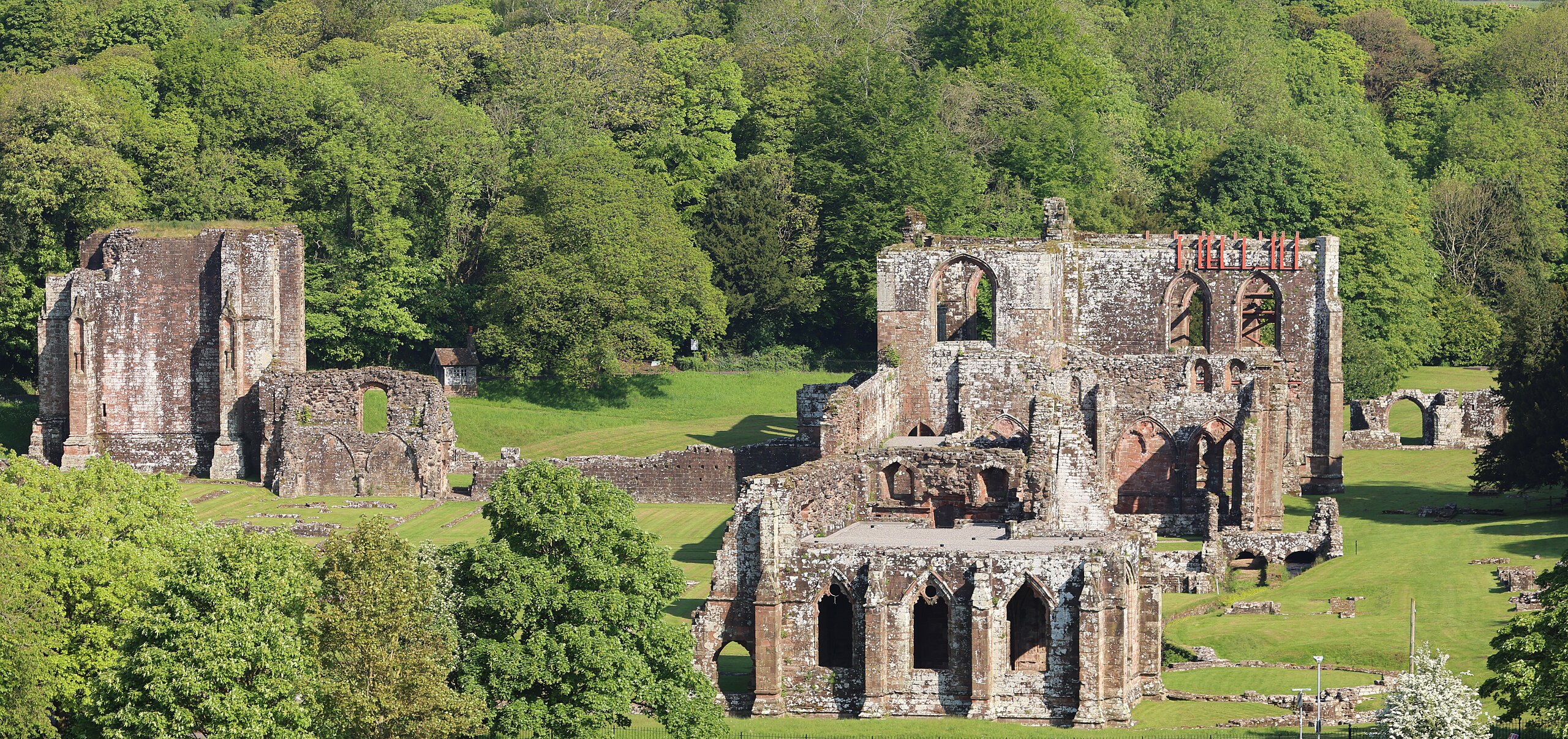
The roots of Barrow’s landscape run through Furness Abbey, founded in the 12th century in a sheltered valley north of today’s town. The Cistercian monks controlled vast tracts of Furness, managing farms, fisheries and coastal trade. Offshore, Piel Castle guarded the channels between Walney and the mainland, a reminder that control of the sea lanes shaped life here long before industry.
Marsh, Village and Early Industry
For centuries the area was sparsely populated, salt marshes, tidal flats and small farms. Iron ore was known in the Furness hills, but without large-scale transport the industry remained local. The turning point came in the mid-19th century, when rich seams of haematite were proved in quantity and entrepreneurs looked to the coast for expansion.
Railways, Docks and a Planned Boomtown
The Furness Railway unlocked the district: ore could now move quickly to the shore, and coal and goods could arrive in return. Guided by industrial leaders and engineers, Barrow was planned at pace, a gridded town linked to new docks and shipyards on Barrow Island. In just a few decades the settlement exploded in size, earning nicknames like “the Chicago of the North” for its astonishing growth.
On the waterfront, a chain of enclosed basins, Buccleuch, Devonshire, Ramsden and Cavendish Docks, turned Barrow into a deep-water port. Streets of sandstone civic buildings followed, crowned by the Gothic Town Hall with its soaring clock tower.
Iron, Steel and the World’s Shipyards
With ore on the doorstep and rail to the quay, Barrow became a powerhouse of iron and steel. The Barrow Hematite Steel Company operated at vast scale, while the shipyard evolved from building iron steamers to crafting ocean liners, warships and, eventually, submarines. Skilled workers arrived from across Britain and Ireland; pubs, chapels, reading rooms and parks grew up around the works.
Walney Island, Bridges and the Channel
Across the channel, Walney Island sheltered the docks and shipyards from the open sea. A bridge, later known as Jubilee Bridge, linked the growing suburbs and beaches of Walney with the yards and town. The island’s dunes and coastal commons gave Barrovians a breezy escape just minutes from the smoke of the slips and sheds.
War, Innovation and the Barrow Blitz
In the World Wars, Barrow’s shipyard became strategic beyond measure. The town built capital ships and submarines at speed; air raids in 1941—remembered as the Barrow Blitz, left scars still recorded in local memory. Post-war, the yard pivoted to advanced naval engineering, with submarine construction becoming the town’s signature craft.
Late 20th Century to Today
As heavy industry contracted elsewhere, Barrow concentrated on world-leading defence and marine engineering, with landmark facilities such as the vast covered halls by Devonshire Dock. At the same time, docksides evolved: heritage sites, green spaces and a Dock Museum celebrate the town’s story. Beaches on Walney, wildlife reserves, and coastal paths highlight a nature-rich side of Barrow that surprises many first-time visitors.
Barrow Now: Makers by the Sea
Modern Barrow is a working coastal town with a global shipyard, beaches and birdlife on the doorstep, and a centre laid out in confident Victorian stone. It remains a place of making: of vessels, components and careers, shaped by the sea and sustained by engineering know-how passed down through generations.
Key Places to Explore
-
Furness Abbey – evocative Cistercian ruins in a wooded valley
-
Piel Island & Castle – ferry trips, ruins and big-sky estuary views
-
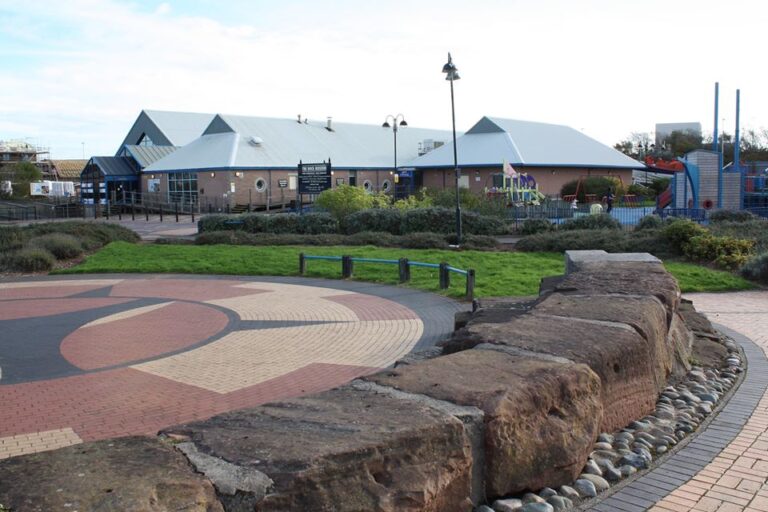
Dock Museum – shipbuilding, steel and social history inside a former dock
-
Barrow Town Hall – Gothic revival landmark and civic symbol
-
Walney Island – dunes, beaches and nature reserves at the town’s edge
-
Barrow Island & Docks – the engineered waterfront that built a town