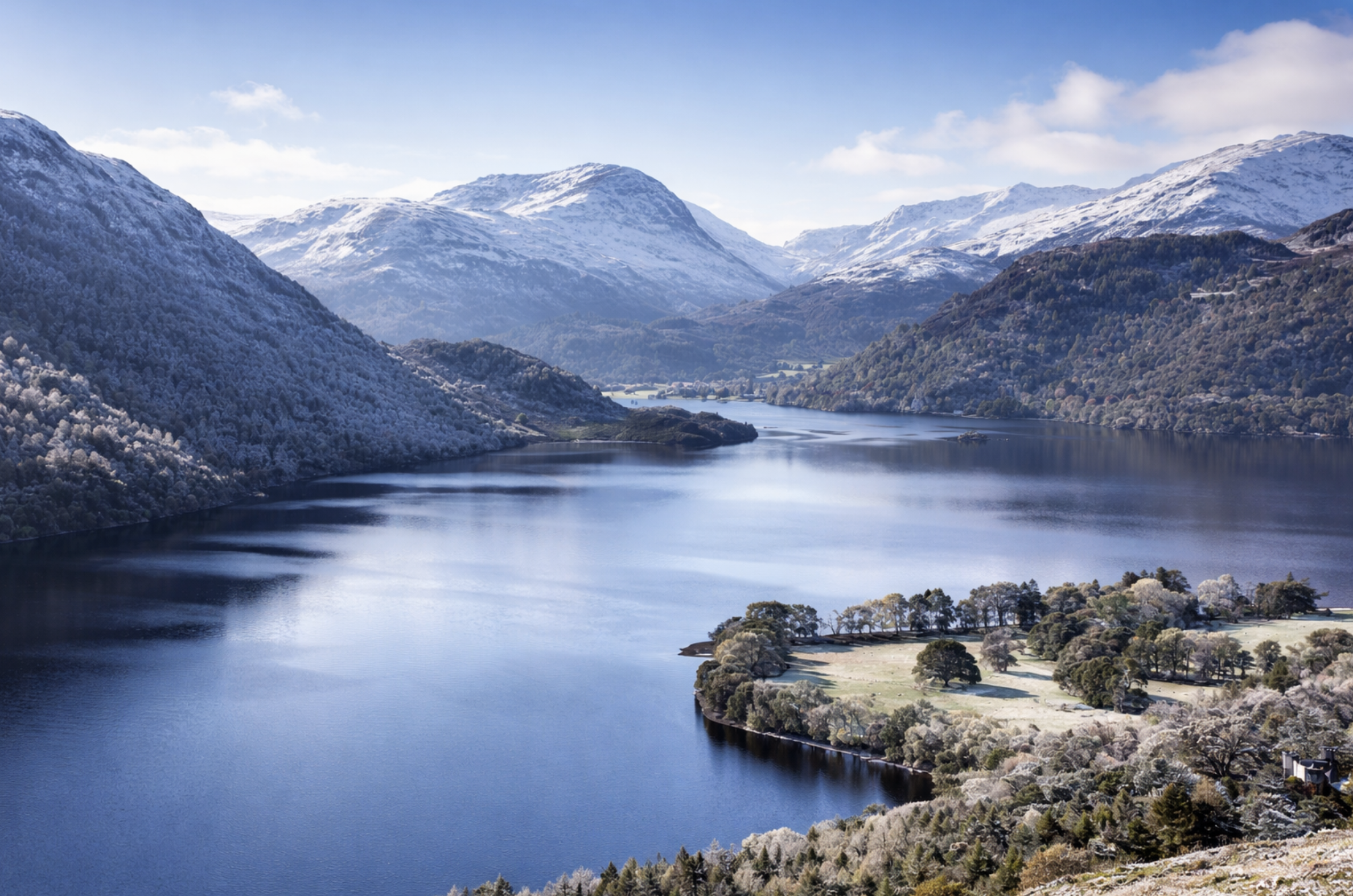
The Bowder Stone is one of the Lake District’s most striking landmarks, a massive volcanic boulder resting in Borrowdale, near Keswick. Rising nearly 30 feet high and weighing an estimated 2,000 tons, this natural wonder has fascinated walkers, scientists, and storytellers for centuries.
For years, the Bowder Stone’s origin was debated. Some thought it was a glacial erratic carried from afar, but modern geology suggests it fell from Bowder Crag, the cliff directly above. The retreat of Ice Age glaciers likely destabilised the rock, sending it crashing down to the valley floor. Its composition of andesite lava matches the surrounding geology, confirming it as a local rockfall rather than a far-travelled erratic.
Technically, no. A glacial erratic is defined as a rock transported long distances by ice, often sitting among rocks of a completely different type. The Bowder Stone doesn’t fit this definition, it belongs to the same volcanic lava group as Bowder Crag. Its dramatic appearance, however, means the term ‘erratic’ was often used historically.
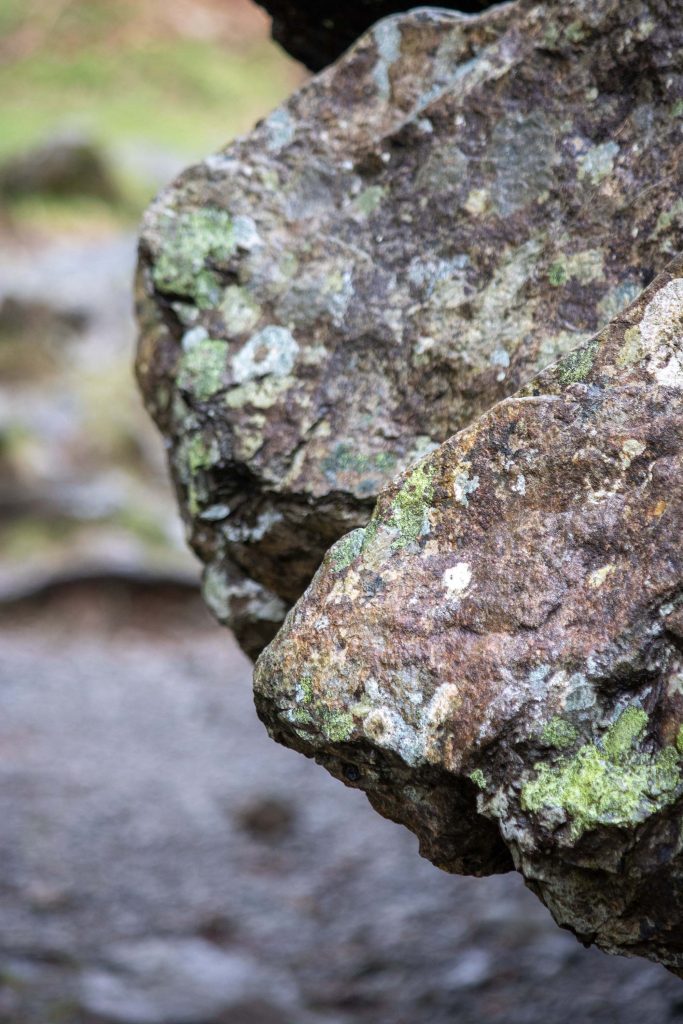
The Bowder Stone is around 30 feet high, 50 feet wide, and 90 feet in circumference. Its precarious position, balanced almost as if on a single point, makes it even more remarkable. To this day, visitors marvel at its scale compared to the surrounding valley.
In the 19th century, wooden ladders were fixed against the stone so tourists could climb to the top. In 2019, these were replaced with a safer metal staircase, giving today’s visitors the chance to stand on the summit and enjoy sweeping views across Borrowdale.
The name Bowder is thought to derive from the Norse god Balder, a sign of the Viking influence in Cumbria’s history. Folklore tells of hidden treasure inside the stone, and its strange balance gave rise to tales of supernatural powers. For centuries, it has been both a natural wonder and a cultural curiosity.
Whether you’re interested in geology, folklore, or simply want a quick walk with big rewards, the Bowder Stone makes a perfect stop. Its short walk, dramatic presence, and links to history and legend make it one of the Lake District’s most iconic sites.
A visit here connects you not only to the natural forces that shaped Borrowdale but also to centuries of curious travellers who came before you.