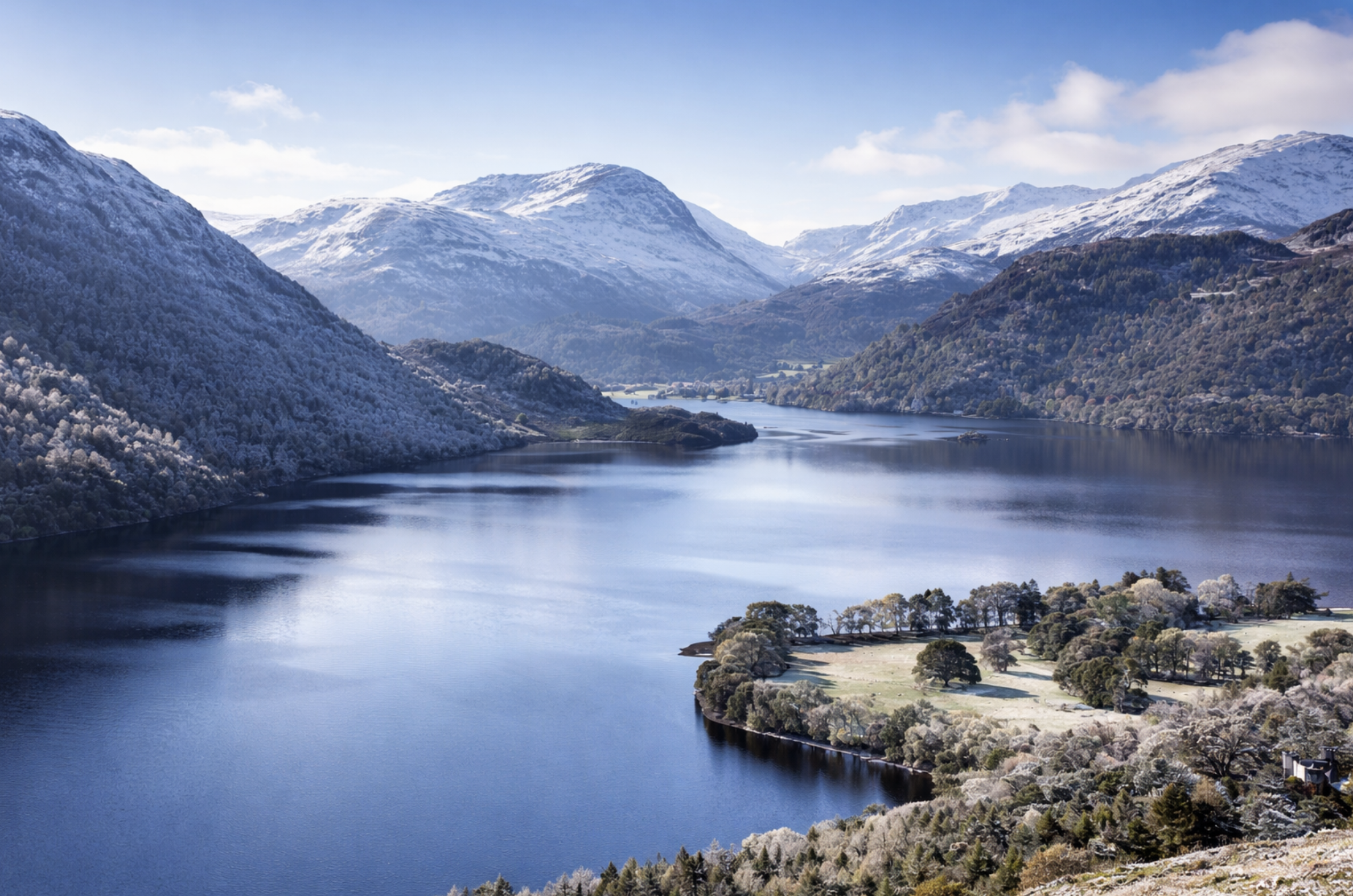
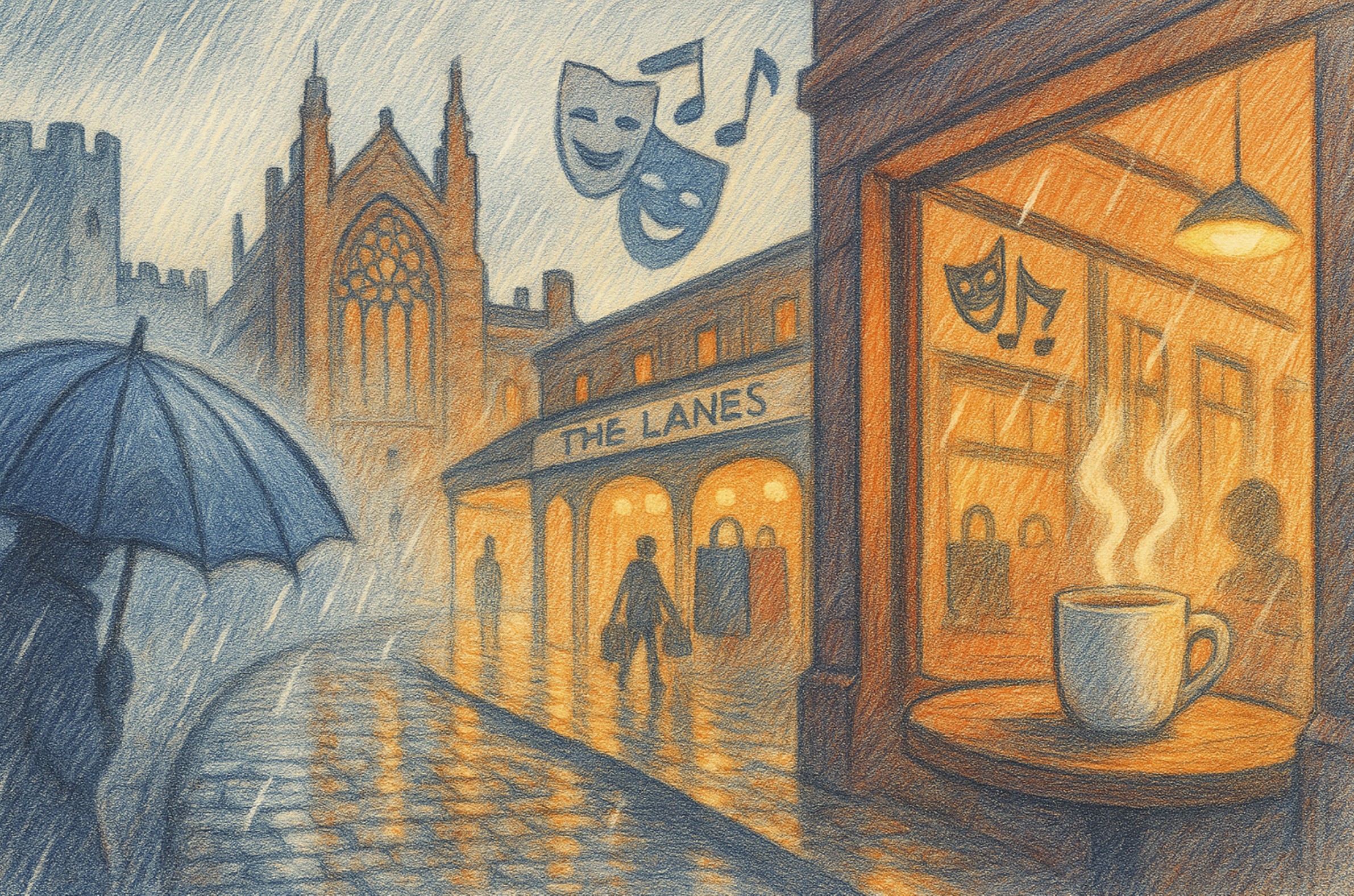
Carlisle is Cumbria’s only city, a place where Roman legions, medieval masons and Border Reivers all left their mark. Walk its red-sandstone streets and you will pass a Norman castle, a cathedral with one of the largest east windows in England, Victorian railways, and modern galleries and venues. This page gives you a concise history of Carlisle, plus ideas for exploring the city today. For planning tips, see our Carlisle city guide.
Roman origins, Luguvalium on the frontier
Carlisle began as Luguvalium, a Roman settlement supporting Hadrian’s Wall. The city sat just south of the wall on key roads and supply routes, which made it a busy market and military hub. A large fort at Stanwix guarded the nearby crossing of the River Eden, and a civilian town grew around baths, workshops and warehouses. Roman finds are displayed locally, and the city’s grid still shapes parts of the centre.
A Norman stronghold and a city of faith
After the Norman Conquest, Carlisle’s strategic position demanded permanent defences. Carlisle Castle rose in the late 11th and 12th centuries, its red sandstone keep dominating the skyline. Just to the east, Carlisle Cathedral began life in 1122 as an Augustinian priory and became a cathedral soon after. The building is famous for its rich medieval choir stalls and a glowing east window filled with 14th-century glass.
Life on the border, Reivers and rival crowns
From the 13th to the 17th centuries Carlisle stood on one of Europe’s most contested frontiers. The city endured sieges and raids in the wars between England and Scotland. Families known as the Border Reivers raided across the line, and the castle served as a garrison, courthouse and prison. In 1568 Mary, Queen of Scots was held here after fleeing Scotland, a reminder that big history often knocked on Carlisle’s door.
Jacobites, canals and railways
In 1745, the Jacobite army took Carlisle on its southward march, only for government troops to retake it weeks later. Peace brought trade. The Carlisle Canal opened in the 1820s to link the city with the Solway, then gave way to the railways. By the mid-Victorian era Carlisle was a northern rail hub. Trains arrived at the new Citadel Station, and lines fanned out to Scotland, the Cumbrian Coast and the spectacular Settle-Carlisle Railway.
Industry, modern growth and resilience
Textiles, engineering and food production shaped Carlisle through the 19th and 20th centuries. The city expanded with brick terraces, parks and public buildings. In recent decades Carlisle has faced major floods and recovered with improved defences and community projects. Cultural life thrives at venues such as Tullie, The Old Fire Station and The Sands Centre, while Carlisle United keep the football spirit alive at Brunton Park. Since 2023 the city has been the administrative centre for the restored Cumberland authority.
A quick timeline
- AD 70s to 400s Roman Luguvalium serves Hadrian’s Wall and frontier forts
- 1092 to 12th century Normans fortify the site, Carlisle Castle and Cathedral rise
- 13th to 17th centuries Border wars, Reiver raids, Mary, Queen of Scots imprisoned
- 1745 Jacobites seize the city, government forces retake it
- 1823 to 1850s Canal era, then rapid railway expansion and industry
- 20th century Continued manufacturing, new suburbs and civic buildings
- 21st century Flood recovery, culture and tourism, gateway to Wall country and the Lakes
Explore Carlisle today
Carlisle is compact and walkable, perfect for a day trip or a short break. Start at the castle and cathedral, dip into Tullie for Roman and Border stories, then browse indie shops and cafés. Football at Brunton Park, gigs at The Old Fire Station, theatre and events at The Sands Centre, there is always something on. Plan your trip with our Carlisle city guide for places to eat, hotels and practical tips.
FAQs
Is Carlisle worth visiting?
Yes, it combines a Roman past, a medieval castle and cathedral, rail heritage and a lively modern food and culture scene.
What is Carlisle famous for?
Its castle and cathedral, the Border Reiver story, the Settle–Carlisle line, and its position near Hadrian’s Wall.
Is Carlisle in Scotland or England?
England. It sits close to the Scottish border in historic Cumbria, within the modern Cumberland authority.
How do I get to Carlisle by train?
Direct services run from Glasgow, Edinburgh, Newcastle, Manchester and London, with scenic routes on the Cumbrian Coast and Settle-Carlisle lines.
Where can I park in Carlisle?
For central access try The Lanes car park or Castle car park. Most sights are a 10 to 15 minute walk from the station.