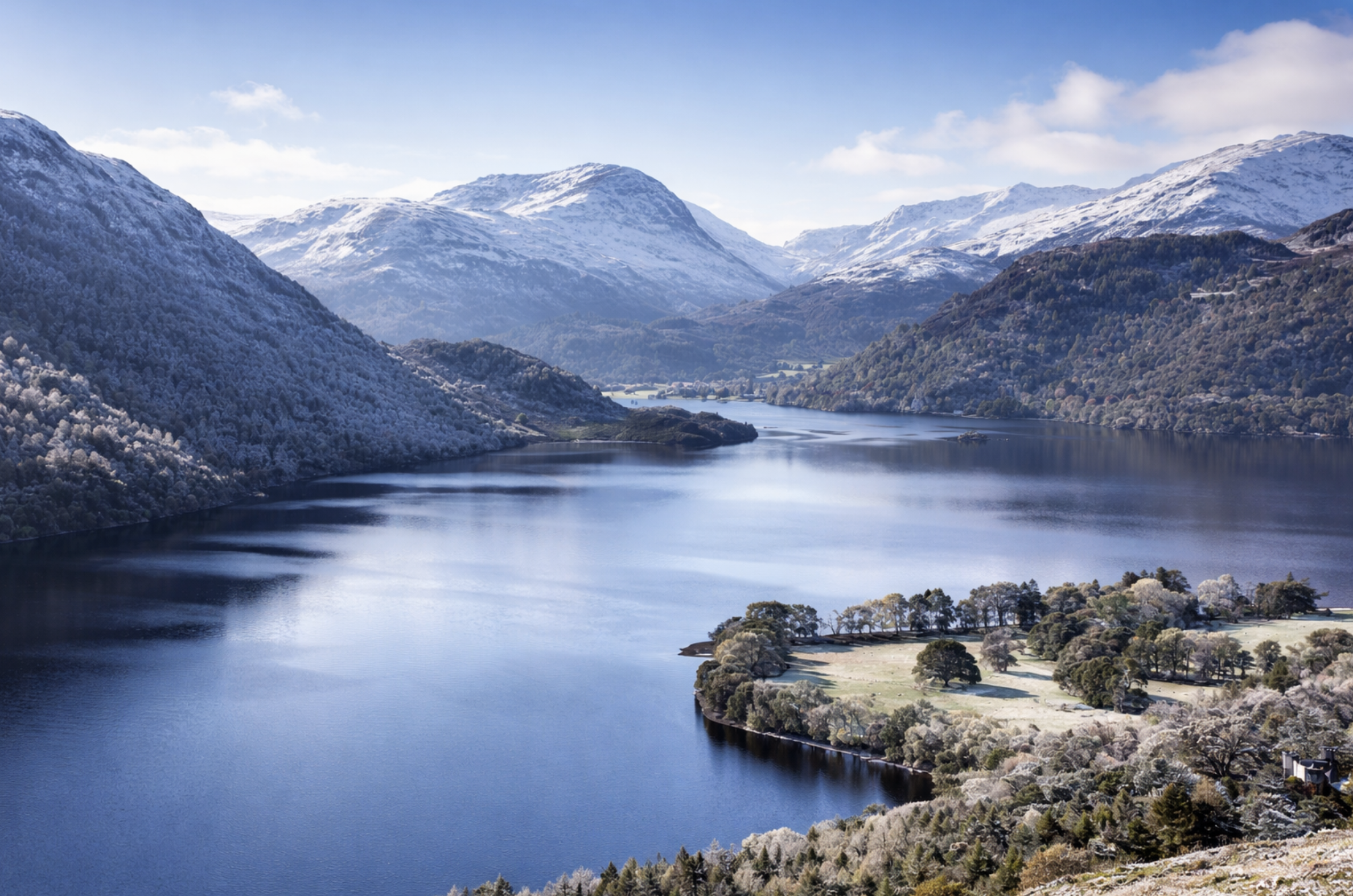
Set between Derwentwater and the great dome of Skiddaw, Keswick has been shaped by farmers, miners, makers, writers and walkers for well over a thousand years. Its story runs from prehistoric ritual to Elizabethan industry, from Victorian tourism to today’s thriving outdoor town.
Prehistoric beginnings
Long before there was a market square or moored launches on Derwentwater, people gathered on the high ground east of town to build Castlerigg Stone Circle. Raised in the Neolithic period, it’s one of Britain’s earliest and most evocative stone circles, a reminder that this valley has attracted people for millennia.
A medieval market town
By the 13th century Keswick had emerged as a small agricultural centre with a regular market serving the scattered farms around Bassenthwaite and Borrowdale. The town plan, its lanes converging on the square, took shape, and an early Moot Hall stood where today’s clock-towered building presides over stalls, fairs and gatherings. Farming, wool and local trade sustained the community for centuries.
Elizabethan mines and a world first
Everything changed in the 16th century. Rich mineral seams in the fells drew investment and expertise, and Keswick became a hub for mining and metalworking. Nearby Newlands and Coledale produced copper, lead and other ores, with smelting houses, water wheels and workshops dotted along the becks.
At the same time, Borrowdale’s unique discovery, solid black graphite, sparked a new craft. Locals fashioned sticks of pure graphite wrapped in string or wood, creating some of the earliest true pencils. That humble innovation would become a Cumbrian signature and, later, a global brand.
Makers, artists and the Pencil Company
The pencil story matured in the 19th century when Keswick became home to a dedicated factory (the ancestor of today’s Derwent brand). Around the same period, the town embraced the Arts & Crafts spirit through the Keswick School of Industrial Art, where designers and metalworkers produced beautiful copper and pewter pieces. Craftsmanship, whether pencils, repoussé metal or woodwork, became part of Keswick’s identity.
Poets, Romantics and the draw of scenery
Keswick’s setting inspired writers and artists long before “Instagrammable” was a word. The surrounding fells, woods and waters fed the imaginations of the Lake Poets. Samuel Taylor Coleridge lived at Greta Hall; Robert Southey made it his long-term home; William and Dorothy Wordsworth were frequent visitors. Their words helped make the northern Lakes a place people longed to see for themselves.
Rails, launches and Victorian holidays
The Victorian era transformed Keswick from handsome market town to celebrated holiday resort. The railway linked Keswick with the wider world, guesthouses and hotels multiplied, and boat services on Derwentwater opened the lake to sightseers. Paths were improved, viewpoints popularised and guidebooks proliferated. Even after the railway later closed, the habit of coming to Keswick for fresh air, walking and scenery was firmly set.
Climbing culture and outdoor life
In the 20th century, Keswick became a base for fellwalking, climbing and watersports. Borrowdale’s crags drew generations of climbers; Skiddaw and Catbells filled the pages of walking diaries and, later, guidebooks. Parks such as Fitz Park and Hope Park gave the town green lungs; rowing boats and launches kept Derwentwater busy. Festivals and outdoor events now mark the calendar, celebrating everything from film and literature to mountains and music.
Theatre by the Lake and a modern cultural heartbeat
Keswick’s cultural life found a year-round home with Theatre by the Lake, a much-loved venue by the shore offering drama, comedy and festivals. Galleries, independent shops and cafés flourished, adding to a town centre that balances everyday life with a warm welcome for visitors.
Setbacks and resilience
The valley has faced its share of challenges, from mine closures to periodic flooding, but Keswick’s response has been characteristically practical and community-minded. Flood defences, volunteer networks and local initiatives have helped the town bounce back and keep its doors open.
Keswick today
Modern Keswick is a lively market town with two weekly markets, independent businesses, museums (including a celebration of its pencil heritage), boat landings, and paths leading straight to the fells. It remains what it has long been: a place where making, creativity and the outdoors sit side by side. From the stones at Castlerigg to the stage lights by the lake, the story of Keswick is one of people drawn to beauty, and leaving their mark.